The Historic Excelsior Club
Revitalizing a Cultural Landmark
Founded in 1944, the Excelsior Club served as a sanctuary for African Americans during Jim Crow, hosting artists, activists, and civic leaders at the heart of Charlotte’s West End.
The reimagined Excelsior will serve as a platform for artistic expression and economic development by supporting live music, visual arts, culinary creativity, and job opportunities to the Beatties Ford Road community and greater Charlotte.
Founded in 1944 · Green Book Site · Charlotte, NC

Project Overview
Today, the Excelsior stands at a rare crossroads—where legacy, stewardship, and reinvestment converge. Long recognized for its cultural and political significance, the building is now being carefully reimagined to remain rooted in history while reopening its doors to the community.
What the Excelsior Was
Founded in 1944 by Jimmie McKee, the Excelsior Club operated as a privately owned cultural and civic gathering place where African Americans could meet, organize, and celebrate during Jim Crow.
It hosted live music, civic meetings, political organizing, and community events at a time when access to public venues was severely restricted.
Why It Matters
The Excelsior supported voter registration efforts, served as a safe organizing space for civil rights leaders, and functioned as a trusted stop for Black travelers through its listing in the Negro Motorist Green Book.
Preserving the Excelsior protects one of Charlotte’s last remaining physical links to Black political agency, economic independence, and cultural self-determination.
What’s Happening Now
Following acquisition, Kennedy Property & Development is leading a phased effort to stabilize, preserve, and redevelop the Excelsior Club.
Planning is underway to restore the soul of the landmark while activating its potential as a catalyst for community renewal along the Beatties Ford Road corridor.


Planned Community Impact Features
Second-Chance Hiring & Workforce Access
Employment pathways for individuals facing barriers to reentry, supported through practical job readiness and long-term opportunity.
Proposed Programs: Paid roles, training partnerships, and community-based workforce initiative
Arts, Culture & Public Programming
Support for performing arts, creative expression, and cultural programming that reflects the community’s past, present, and future.
Proposed Programs: Live performances, exhibitions, festivals, and artist-led community events.
Free Culinary Training & Food Access
Hands-on culinary training designed to build transferable skills, support food security, and create pathways into hospitality and food-based entrepreneurship.
Proposed Programs: Community kitchens, training cohorts, and public meals tied to workforce development.
Education & Financial Empowerment
Intergenerational mentorship & educational programming focused on personal development, economic stability, and long-term community resilience.
Proposed Programs: Impact mentoring, personal finance education, youth engagement, and seasonal community initiatives.
Civic Dialogue & Community Forums
Regular gatherings that create space for civic dialogue, education, and collective problem-solving rooted in local experience and shared history.
Proposed Programs: Breakfast forums, public discussions, and issue-focused community conversations.
Future Vision
We are developing more than a club—we are perpetuating a legacy.
The reimagined Excelsior builds on a legacy of people, place, and cultural expression.
The next chapter of the Excelsior honors its role as a cultural anchor while creating space for contemporary Black artistic expression, gathering, and exchange. Every decision is guided by historical integrity, neighborhood continuity, and long-term community benefit.

Street-level view of the Excelsior Club, conceptual rendering*

Conceptual evening rendering of the Excelsior Club*

Overhead rendering illustrating the Excelsior and surrounding grounds

Conceptual rendering of the Excelsior courtyard and community yard
Funding & Partnership
Committed Funding Partners:
Foundations for the Carolinas
Mecklenburg County
City of Charlotte
Project Steward:
Kennedy Property & Development
Development Partner:
Crosland Southeast
The Excelsior restoration is guided by principles of accountability, responsible development, and long-term community benefit.
Funding supports historic preservation planning, site stabilization, design, and future community programming.
Clear reporting and community impact updates will accompany each phase of the project as redevelopment progresses.


History
A Sacred Cultural Legacy Since 1944
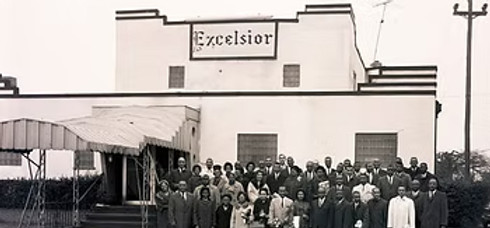
The Excelsior Club emerged during a time when African Americans were excluded from most public spaces. It quickly became a trusted environment for connection, celebration, and leadership—hosting meetings for civil rights organizers, voter registration efforts, and political engagement in a safe setting.
Local and national political figures visited the Excelsior to speak directly with Charlotte’s Black community. Artists and professionals traveling through the Carolinas relied on the Excelsior as a place of welcome and respect.
Timeline
Key moments in the Excelsior’s legacy
1939 — The Vision Takes Shape
James Robert “Jimmie” McKee conceives the idea for a dedicated social and cultural space for African Americans while working and tending bar in Jim Crow Charlotte.
1944 — The Excelsior Club Opens
McKee purchases property on Beatties Ford Road and opens Charlotte’s first African American nightclub.
1952 — Expansion & Identity
A major renovation introduces the club’s iconic Art Deco exterior and expands its ballrooms, solidifying its regional prominence.
1950s–1960s — Cultural & Civic Center
The Excelsior hosts civil rights meetings, political organizing, and nationally recognized musicians, and is listed in the Negro Motorist Green Book.
1992 — National Recognition
President Bill Clinton visits the Excelsior during his presidential campaign, affirming its political significance.
2016 — Closure
After more than seventy years, the Excelsior Club closes and the building faces an uncertain future.
2019 — Endangered Landmark
The National Trust for Historic Preservation names the Excelsior one of America’s 11 Most Endangered Historic Places.
Cultural Significance
Being listed in the Negro Motorist Green Book elevated the Excelsior beyond a neighborhood venue. It represented Black excellence, sophistication, and self-determination at a national scale. Musicians, activists, and entrepreneurs could plan their journeys knowing the Excelsior offered dignity and safety.
Community Impact
The preservation of the Excelsior ensures that future generations can experience a space where social life, civil rights, and political engagement intersected. Its restoration continues a tradition of intergenerational connection, cultural exchange, and community empowerment.
In The News
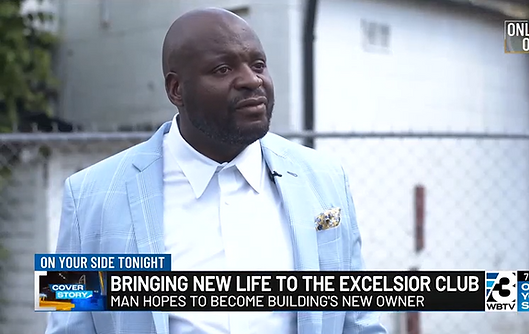
Independent coverage documenting the Excelsior’s restoration and public impact


Contact Us
For Project Inquiries:
A Kennedy Property & Development Project
In Partnership with Foundations for The Carolinas